
Apr 4, 2026
In rural cities, it seems not much has changed for young women
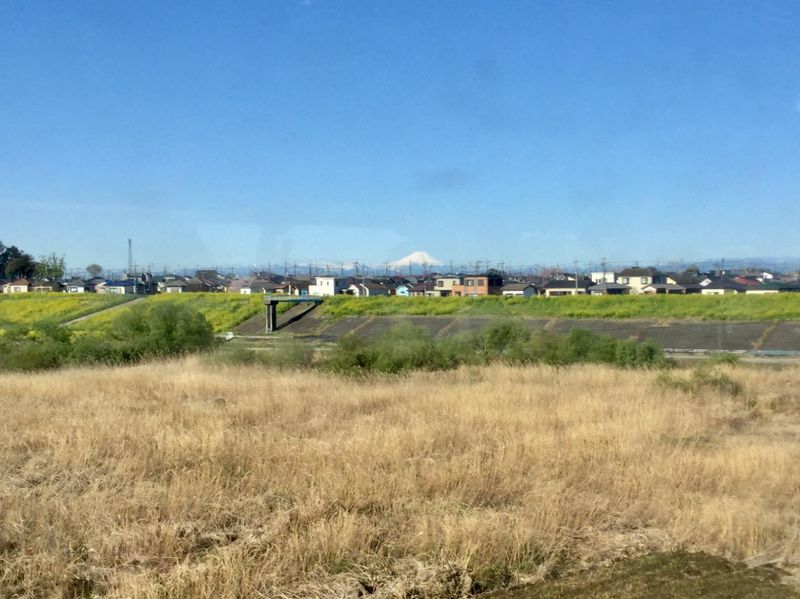
The view from the Edo River looking towards Tokyo from urban, nearly inaka, Chiba
For my first experience in Japan, I found myself far away from a major centre. My job took me to a small city crammed between the Seto Inland Sea and steep mountains. The clean air, gorgeous scenery, friendly people, slow pace of life, and hospitality were amazing.
I lasted a year. It wasn't just isolation due to my lack of command of Japanese. I had a handful of foreign resident and local friends. All were single girls like me, eager to get out. The reason was simple. There were few young people our age, and even fewer men. Much of our social time was with people much older than us. It was enriching, sure. But we all knew our time there would be limited. Big cities with more opportunities to mingle, find employment, and stimulation lured us away.
It's sad that, nearly 25 years later, it's much the same in many rural cities. Don't let the word "city" fool you. A city is a municipal designation that could cover anything from dense urban to agricultural communities. The epithet 田舎, inaka, or countryside, is liberally applied to cities far from major centres.
A recent article in The Economist reveals stories of young women willing to live in rural cities. They face the same hurdles that my foreign and local friends and I did. Pressure to get hitched and have kids. And no swains to woo us.
I'm lucky that I could make a life for myself in a place some would call inaka - a suburban and semi-rural region in the Kanto area, only an hour out of Tokyo. In my time here, I have been able to access education, socialize with my own age group, and feel settled. But my region is not nearly as removed as the places mentioned in the article.
Are you in the inaka? What is it like for young people there? For young women?


0 Comments